
Does Your Business Need a Cash Flow Playbook?
Of the three areas we work on, Cash Flow is the one that touches everything else. Profitability tells you whether the business makes sense on paper. Working Capital tells you whether cash is trapped in receivables, payables, or inventory. Cash Flow is where both of those, plus every investment decision you make, actually show up: the money moving in and out of the business, in real time.
That's why cash flow problems rarely have one single cause. A profitable business can still run tight on cash if working capital is inefficient. Excellent working capital doesn't help if a major purchase, new equipment, a new hire, an expansion, wasn't planned for. Every one of those decisions, what to buy, when to hire, how much to hold in reserve, is a strategic choice whether it's been treated as one or not. Most owners are making these choices without the visibility to see what they're actually choosing between.
Over ten sessions, we build that visibility: a forward-looking system showing what's coming in, what's going out, and what's genuinely available to invest next, not a guess, a number you can actually act on.
Common Struggles Running a Business
WHAT IS YOUR STORY ?
The Feast and Famine Cycle: Some months feel flush, others mean scrambling to cover basic expenses, with no early warning either way.
The Bank Balance Forecast: Checking the account balance has quietly become the entire forecasting system.
The Invoice Lag: Money that's owed to you isn't money you can spend yet, and that gap keeps catching the business off guard.
The Invisible Ceiling: The business is earning more than it ever has, and there's still no confident answer for where or how to invest it, not because the opportunities aren't there, but because there's no clear view of what's actually available to deploy.
The Reactive Spend: Spending decisions get made in response to what already happened, not in anticipation of what's coming.
-
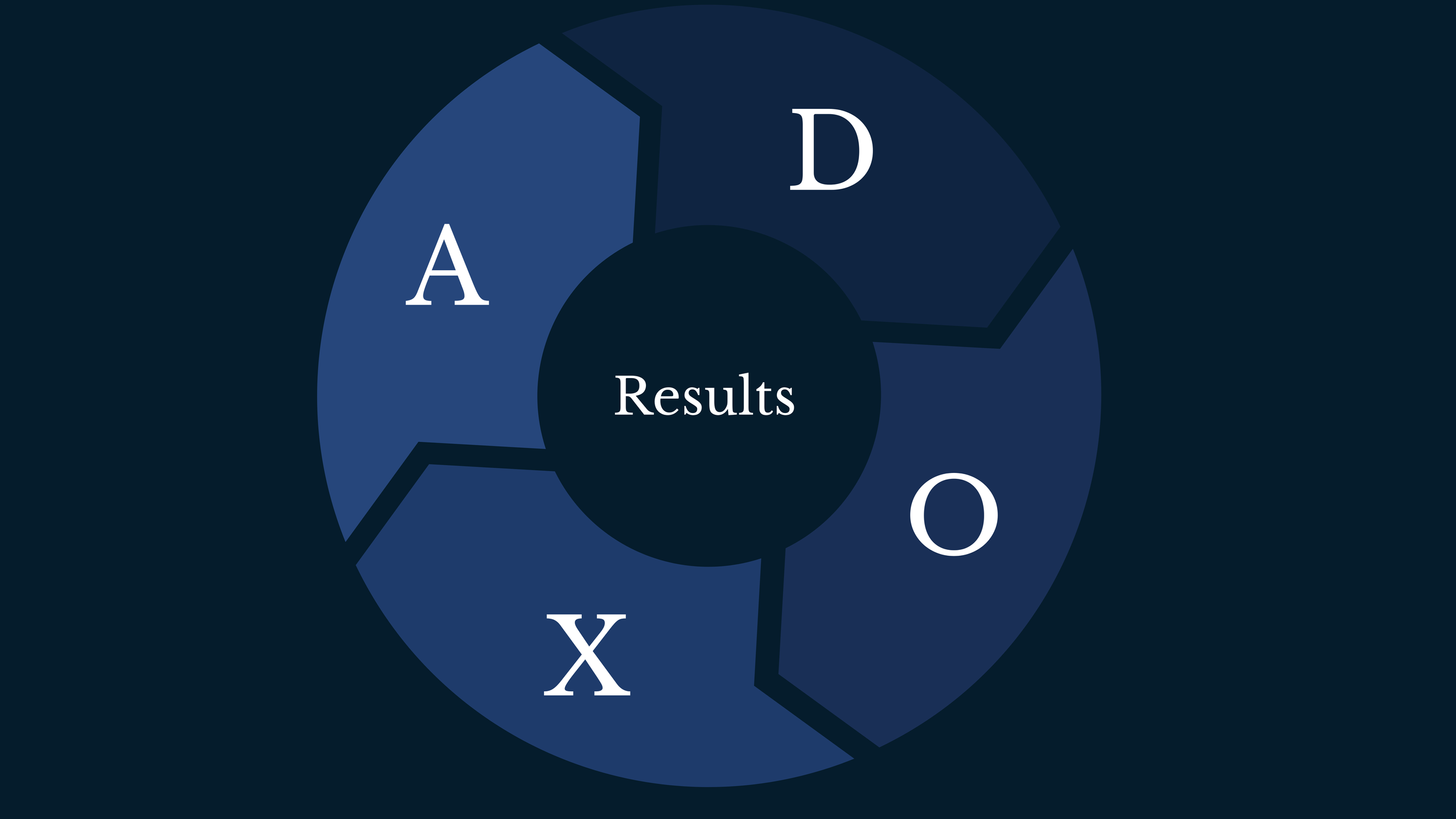
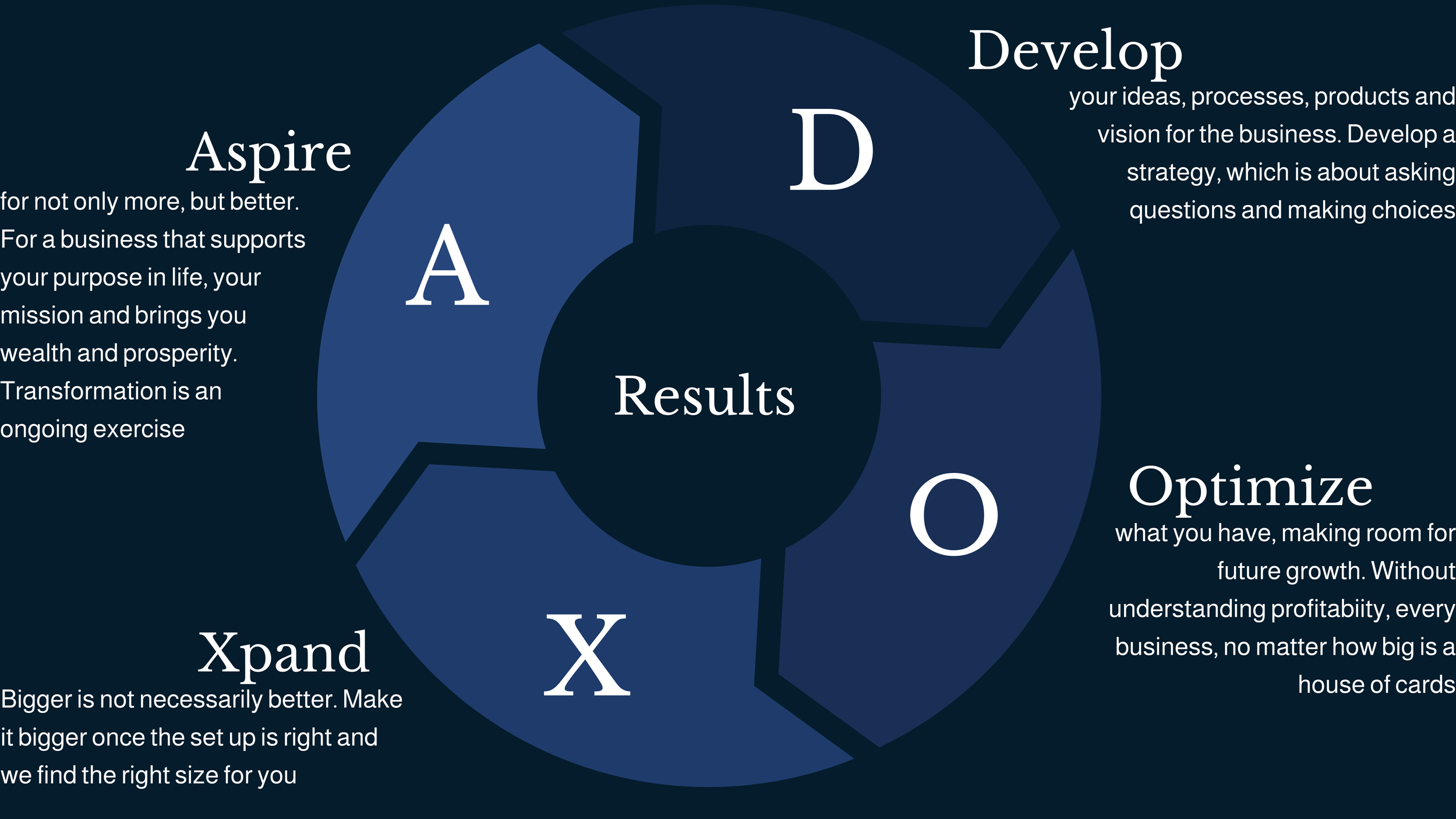
your ideas, processes, products and vision for the business. Develop a strategy, which is about asking questions and making choices
-
what you have, making room for future growth . Without understanding profitabiity, every business, no matter how big is a house of cards
-
Bigger is not necessarily better. Make it bigger once the set up is right and we find the right size for you
-
for not only more, but better. For a business that supports your purpose in life, your mission and brings you wealth and prosperity. The transformation process is an ongoing exercise.
Frequently Asked Questions
-
That's actually one of the clearest cases for this. Seasonal businesses benefit the most from forecasting, since the swings are predictable once mapped out, the system just needs to account for the pattern.
-
No. The system gets built around whatever you're already using, spreadsheets included, and improved from there if needed.
-
No, it complements them. A bookkeeper typically records what already happened. This builds a forward-looking system for what's coming, a different function entirely.
-
A budget is a plan for how money should be spent. A cash flow system tracks when money actually moves, which is a timing problem, not a planning problem. You can have a perfect budget and still run into a cash crunch if the timing isn't managed.
-
Most clients notice it immediately in how far ahead they can see. Cash gaps that used to show up as a surprise start showing up as a known event weeks in advance, with time to actually respond.