
Does Your Business Need Profitability Clarity?
Every business, no matter how large or how successful it looks from the outside, is only as stable as its actual profitability. Revenue and reputation can make a business look solid. Without a clear view of margin underneath, that stability is closer to a house of cards than a foundation, impressive right up until something shifts.
This is also why profitability has to come first, before cash flow systems, before working capital gets optimized, before growth plans get funded. A business can have flawless cash timing and efficient receivables and still be quietly unprofitable underneath. Fixing profitability isn't one more item on a list. It's the item the rest of the list depends on.
Profit shouldn't be a number you check at year end. It's not a single event, it's closer to a daily discipline, something present in every transaction rather than something you hope adds up by December. Profitability Clarity doesn't chase one big fix. Over three sessions, we build the habit of visibility: which products or services genuinely carry the business, which pricing decisions were guesses, and where the real margin is, versus where you assumed it was.
Once this foundation is in place, it feeds directly into the other two areas we work on. Cash Flow tells you when the money moves. Working Capital tells you whether it's tied up somewhere it doesn't need to be. Profitability tells you whether there's real money to manage in the first place.
Common Struggles Running a Business
WHAT IS YOUR STORY ?
The Growth Mirage: Revenue keeps climbing, but the money in your pocket doesn't follow. Growth is masking a margin problem, not solving it.
The Guessing Game: Pricing decisions get made on gut feel and what competitors seem to charge, not on what your actual costs and margins require.
The Universal Average: Every product or service gets treated as equally profitable, when in reality some of them are quietly losing money every time you sell them.
The Accounting Illusion: Your accountant's numbers are built for compliance and tax reporting, accruals, depreciation, timing adjustments. That's valuable and necessary work, but it answers a different question than the one strategic decisions require. Accounting and finance aren't in competition, they're two different views of the same business. Most companies only have one of them.
-
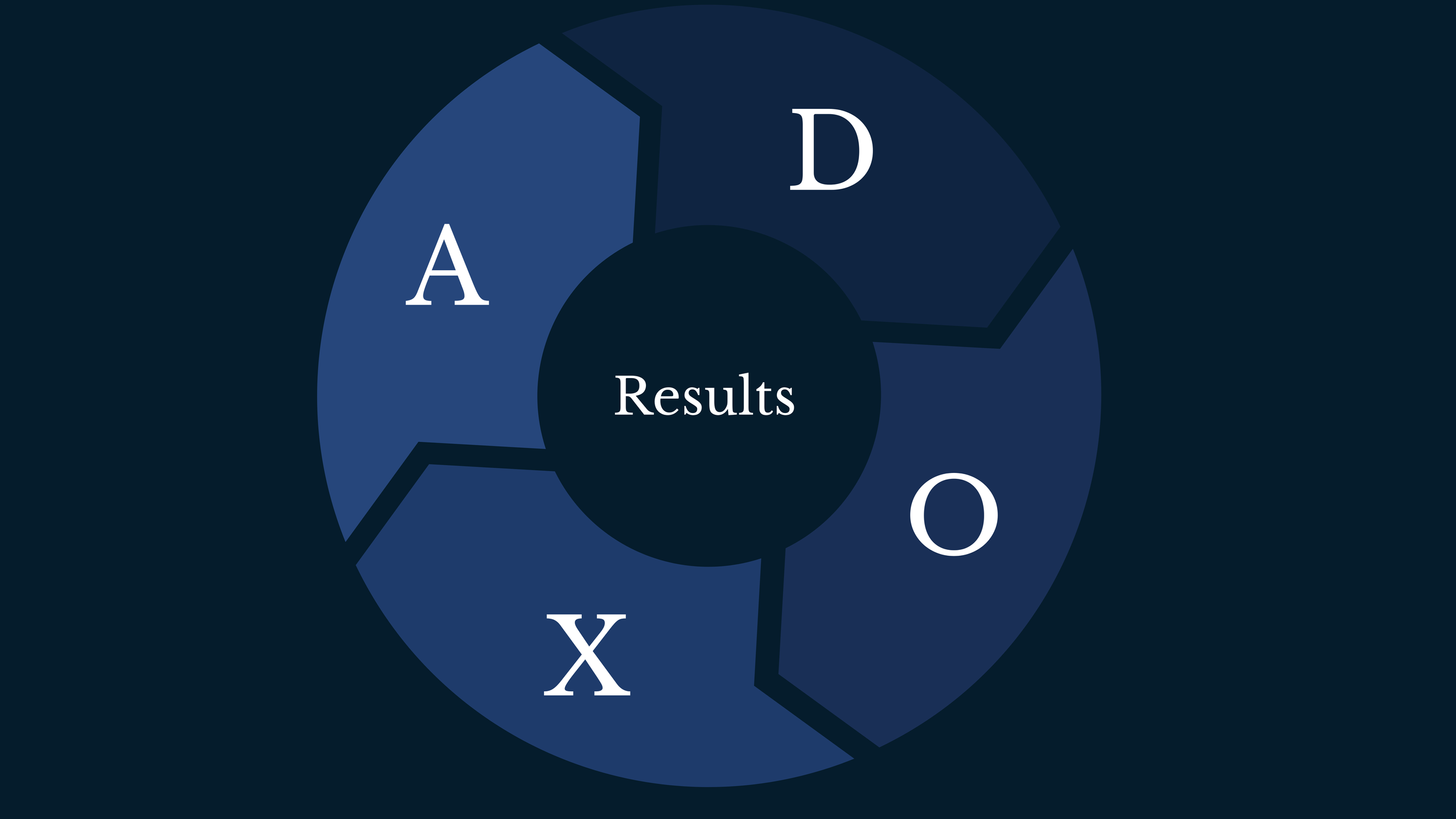
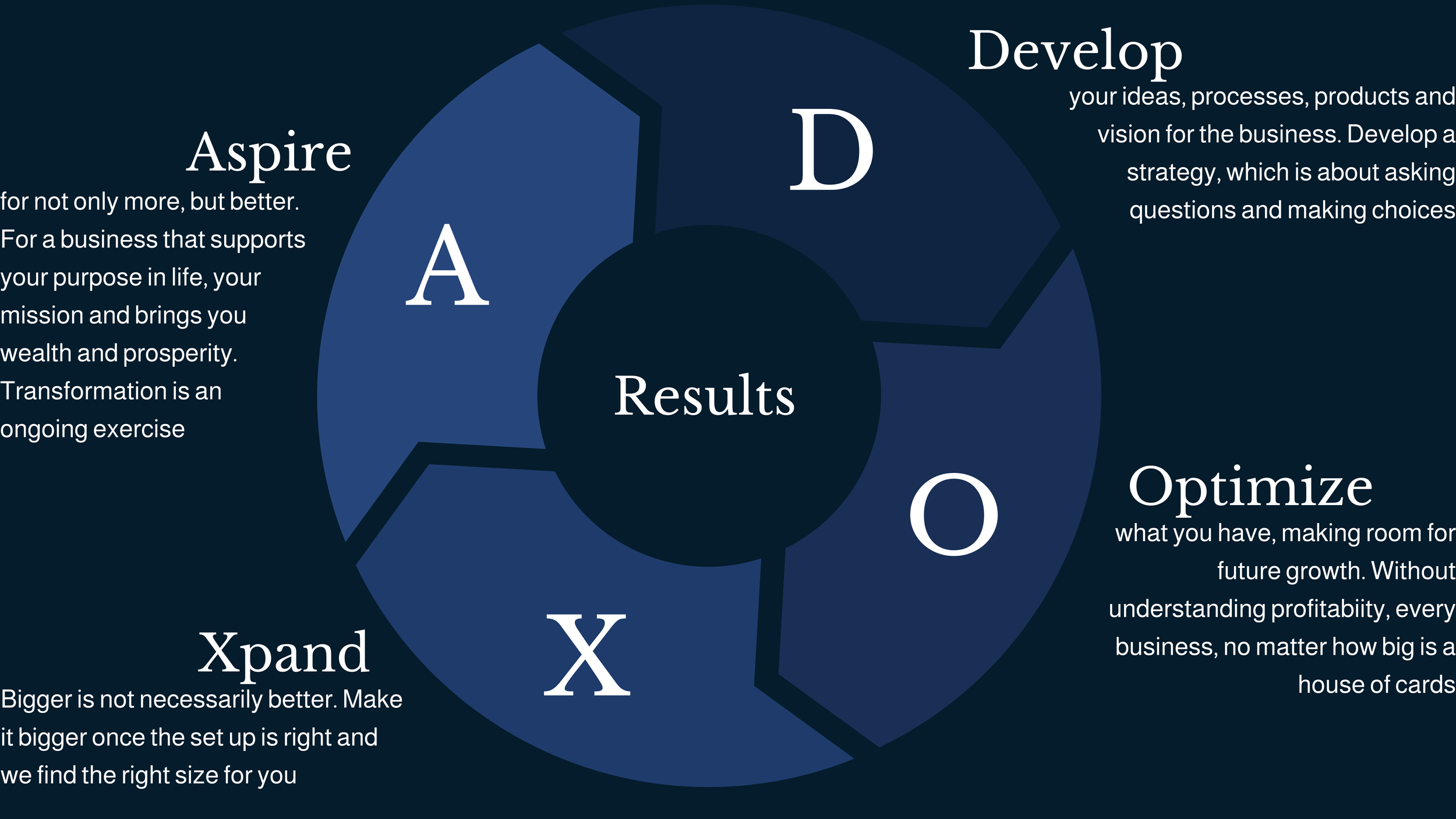
your ideas, processes, products and vision for the business. Develop a strategy, which is about asking questions and making choices
-
what you have, making room for future growth . Without understanding profitabiity, every business, no matter how big is a house of cards
-
Bigger is not necessarily better. Make it bigger once the set up is right and we find the right size for you
-
for not only more, but better. For a business that supports your purpose in life, your mission and brings you wealth and prosperity. The transformation process is an ongoing exercise.
Frequently Asked Questions
-
That's normal, not a disqualifier. We work with what exists, even if it's incomplete, and part of the first session is simply getting an accurate baseline.
-
Both. Service businesses often have less visible margin problems, since there's no inventory cost to point to, but the same gaps show up in how time and pricing are managed.
-
Sometimes pricing is part of the answer, but rarely the whole answer. This looks at cost structure, service mix, and where money leaks out, not just what you charge.
-
You leave with a specific plan you can act on independently. If you want ongoing support implementing it, that's a separate conversation, not something baked into this engagement by default.
-
Profitability is about whether the business makes sense on paper, are your margins actually healthy. Cash Flow is about timing, whether money is available when you need it, even if the business is profitable overall. Some businesses need one, some need both, we'll help you figure out which during the call.