
Working Capital is where Profitability and Cash Flow meet the physical reality of how your business actually operates: how fast customers pay, how generous your supplier terms are, how much cash is sitting in unsold inventory. Get the profitability right and get the cash flow visibility right, and working capital is still where a lot of businesses leave real money sitting unused.
Growth isn't only about getting bigger. It's about finding the right size for what the business is actually built to do, the size that supports your purpose and brings real wealth and prosperity, without the strain that comes from scaling faster than your working capital cycle can support. A business that grows revenue without addressing this ends up funding that growth by squeezing its own cash cycle tighter and tighter.
Over three to four sessions, we look at the three levers that control this cycle: receivables, payables, and inventory, treated as one connected system rather than three separate problems. Most businesses have never had someone look at all three together, since each usually sits with a different person or process. The result shows up directly in your cash flow: money that was tied up becomes money you can actually use.
Does Your Business Need Working Capital Optimization?
Common Struggles Running a Business
WHAT IS YOUR STORY ?
The Slow Collector: Customers take 60 or 90 days to pay, while your own bills are due in 30, and the gap gets covered out of stress rather than planning.
The Generous Terms: Payment terms with suppliers and customers were set years ago and never revisited, quietly working against the business instead of for it.
The Invisible Constraint: Growth stalls not because of a lack of demand, but because cash is tied up in operations rather than available to fund the next step.
The Inventory Trap: Cash is sitting on a shelf instead of in the bank, tied up in stock that hasn't sold yet.
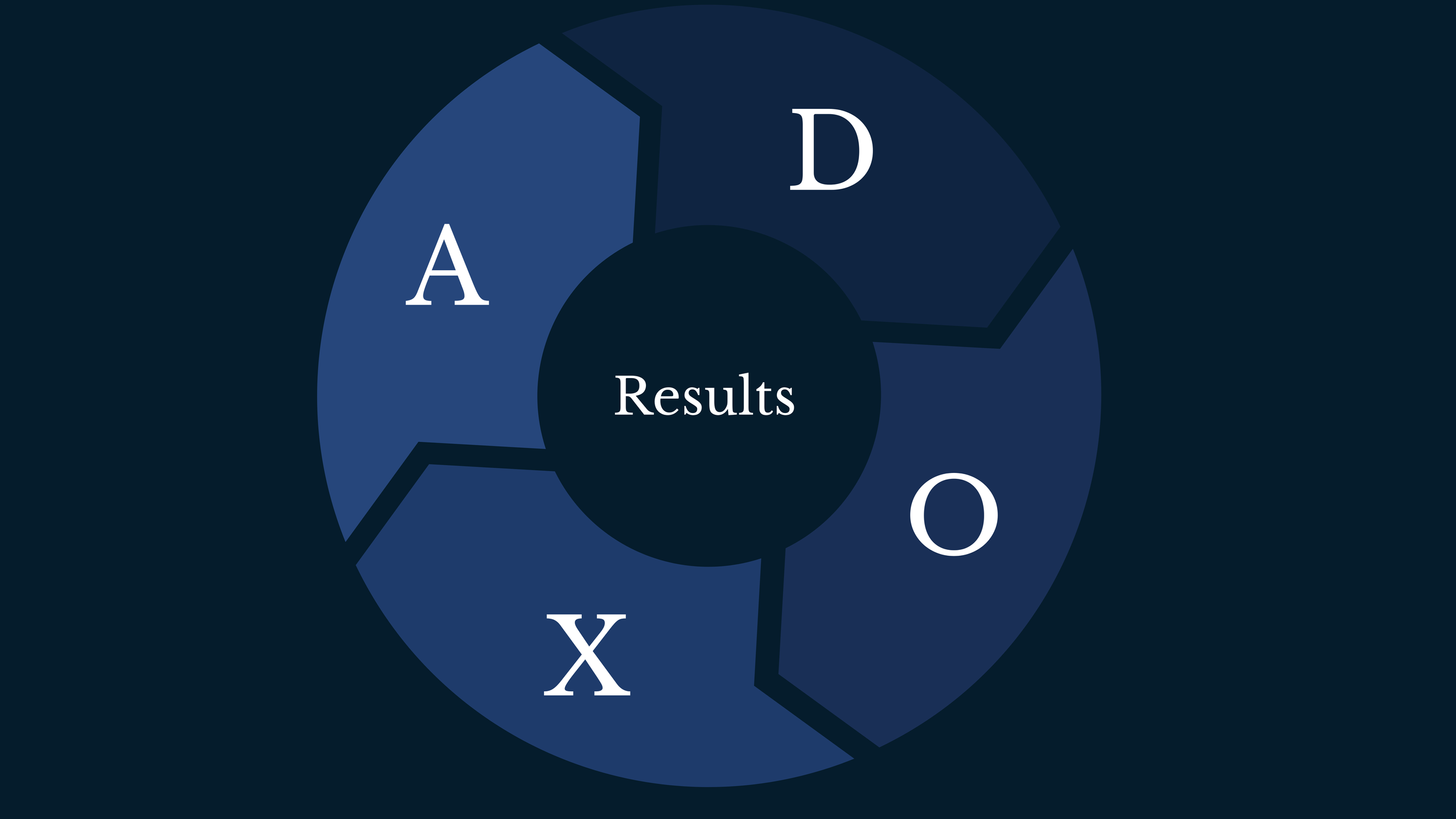
-
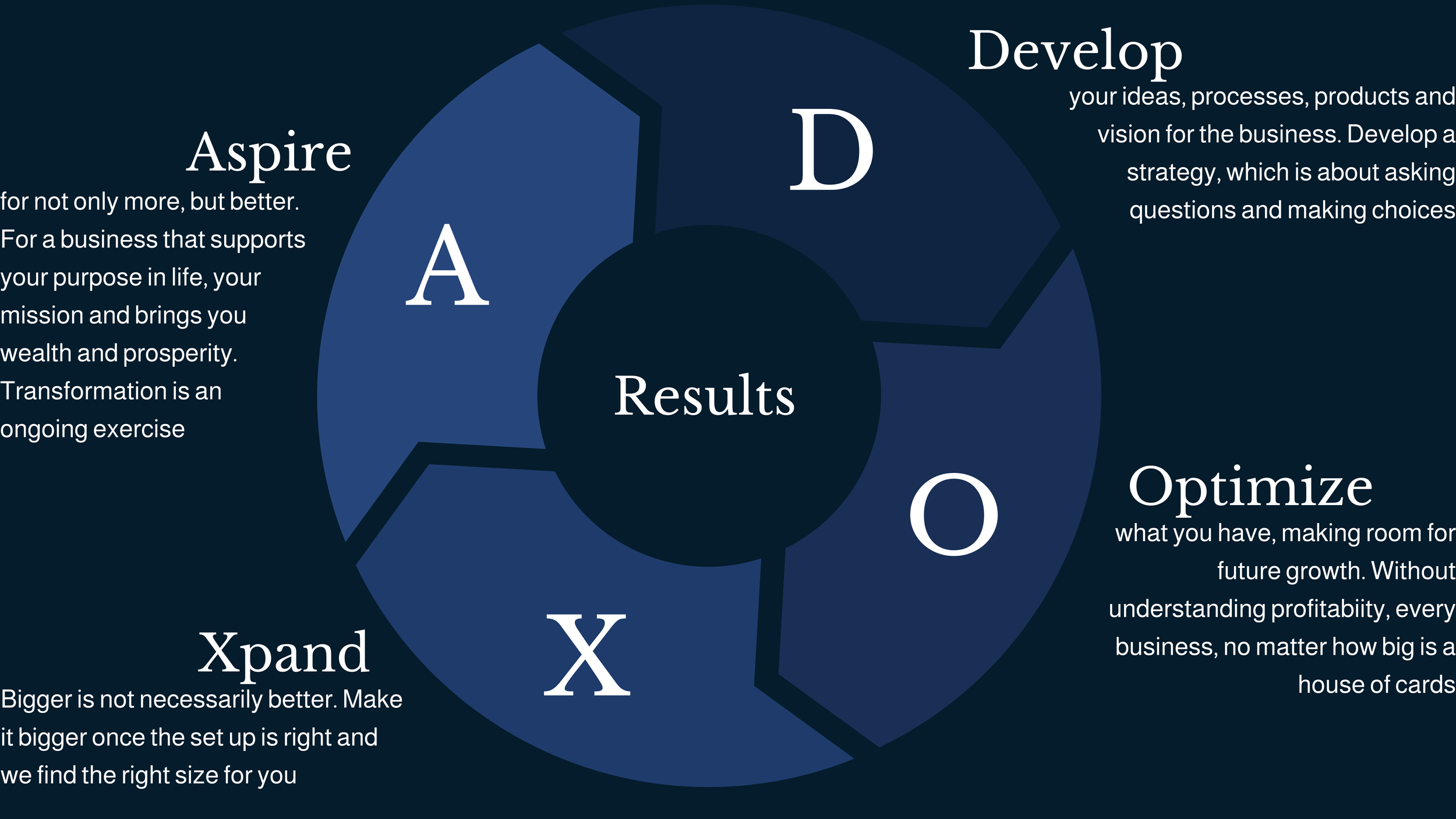
your ideas, processes, products and vision for the business. Develop a strategy, which is about asking questions and making choices
-
what you have, making room for future growth . Without understanding profitabiity, every business, no matter how big is a house of cards
-
Bigger is not necessarily better. Make it bigger once the set up is right and we find the right size for you
-
for not only more, but better. For a business that supports your purpose in life, your mission and brings you wealth and prosperity. The transformation process is an ongoing exercise.
Frequently Asked Questions
-
Yes. Receivables and payables management applies to every business. Inventory is one of three levers, not a requirement for this to be relevant.
-
Even then, there's usually room, in how invoices are structured, how early payment is incentivized, or how your own payables are managed to offset the timing gap. Fixed customer terms don't mean nothing can change.
-
It varies by business, but changes to receivables and payables processes often show measurable impact within one to two billing cycles, faster than most structural finance changes.
-
The initial engagement identifies and implements the changes. Whether it needs ongoing management depends on how much the business's cycle naturally drifts over time, some clients revisit it annually, others only when something changes significantly (new customers, new suppliers, rapid growth)
-
Cash Flow is about visibility and forecasting, seeing what's coming. Working Capital is about the underlying cycle itself, receivables, payables, inventory, and making that cycle more efficient. They work well together, but address different parts of the same overall picture.